
By Dr. Chuck Russo, Program Director of Criminal Justice and
Dr. Samer Koutoubi, M.D., Ph.D.,Program Director, Public Health at American Military University
The COVID-19 virus has not yet been declared a pandemic, but it has been labeled a Public Health Emergency of International Concern by the World Health Organization (WHO). The potential public health threat posed by COVID-19 is high, both globally and for the United States, according to the Centers for Disease Control and Prevention (CDC).
“It’s not so much of a question of if this will happen in this country any more, but a question of when this will happen,” said Dr. Nancy Messonnier, director of the National Center for Immunization and Respiratory Diseases. Public officials do not know if the spread of the virus will be mild or severe, she added, but Americans should be prepared for it to disrupt their daily lives. “We are asking the American public to prepare for the expectation that this might be bad,” she said.
Who’s at Greatest Risk for Exposure to COVID-19?
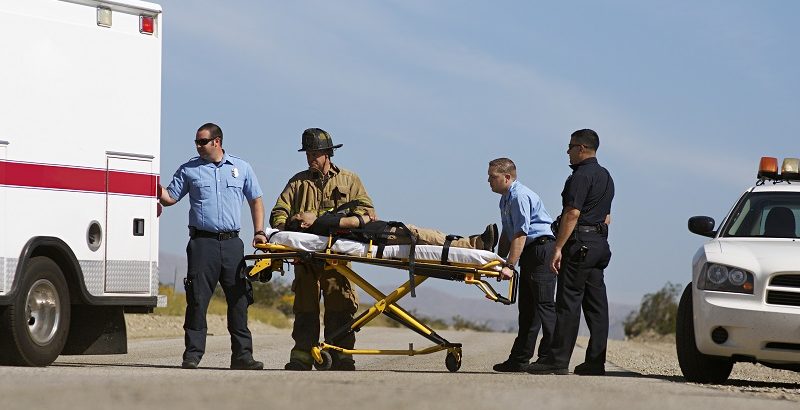
The risk to individuals is dependent on exposure. The general American public is currently unlikely to be exposed to this virus, so most people have a relatively low immediate health risk from COVID-19. However, healthcare workers and first responders are at a significantly higher risk for infection because they are much more likely to be in close contact with persons infected with COVID-19.
Since it is not a matter of if but when the COVID-19 virus will start spreading on U.S. soil, public safety professionals and agencies must start preparing now. The CDC has developed guidance to help in the risk assessment and management of people who have the greatest potential exposure risk to COVID-19.
Listen to a podcast interview with Dr. Koutoubi about how COVID-19 is impacting schools and businesses and what can be done to prepare for the growing number of cases in the U.S.:
How Officers Can Lessen Their Exposure to COVID-19
Since frontline law enforcement officers frequently accompany fire and emergency medical services personnel on calls, they have a much higher risk of exposure to COVID-19. Unfortunately, during the initial response, personnel at the scene may not know they have been exposed to COVID-19 until later. For this reason, it is extremely important for responding personnel to follow recommended infection control procedures during all calls, which include:
- Perform regular hand hygiene. Thoroughly wash and clean hands often. This video demonstrates proper handwashing procedures.
- Use personal protective equipment (PPE) whenever there is an expectation of possible exposure. This includes wearing a mask or respirator, eye protection and/or a face shield, gloves, a gown and/or a protective outer garment.
- Follow respiratory hygiene and cough etiquette principles. Always cover your mouth and nose when coughing or sneezing and wash your hands thoroughly afterward.
- Ensure appropriate individual placement. It’s likely that an individual will be moved to several different locations during the course of their care. Be sure to avoid unnecessary touching of surfaces in close proximity to a potentially infected individual. When you come in contact with such individuals, be sure to perform adequate hand hygiene. Also, individuals with potential symptoms of COVID-19 should be transported individually to minimize potential transmission to others.
- Properly handle, clean, and disinfect individual care equipment, instruments, and devices. Any items that are not disposable and come into contact with an individual who potentially may be infected must be cleaned and disinfected. This includes, but is not limited to handcuffs, pens, clipboards, etc. Items that are disposable must be disposed of properly.
- Handle textiles, uniforms, and laundry carefully. Bag or otherwise contain contaminated textiles for proper care and cleaning. Be sure to follow fabric-care instructions and special laundering requirements of all textiles or clothing according to agency policy. Package, transport, and store clean textiles or uniforms so they are protected during transport and unloading so they’re clean for future usage.
These infection control procedures should be practiced on a daily basis, especially during flu season. While it’s not expected that officers respond to every call in a HAZMAT suit, they should be diligent about following these recommendations and procedures to minimize exposure to respiratory diseases. In addition, agency leaders should regularly conduct reviews of their health procedures and remind officers about ways to protect themselves against such communicable diseases.
For additional information about COVID-19 and pandemic preparing measures, check out these resources:
- CDC outlines pandemic planning.
- For the latest update on the COVID-19, check the CDC website.
- World Health Organization (WHO) publication on the global surveillance for human infection with coronavirus disease (COVID-2019).
Pandemic Preparedness Resources:
- CDC Planning and Preparedness Resources
- Pandemic Influenza Plan (UPDATED 2017) (PDF)
- Community Mitigation Guidelines to Prevent Pandemic Influenza — United States, 2017
- Nonpharmaceutical Interventions (NPIs)
- NPI 101: An Introduction to Nonpharmaceutical Interventions (NPIs) for Pandemic Influenza
Follow @AMUdisasterCREW on Twitter to get the latest COVID-19 updates from American Military University’s first-responder experts – bringing you emergency and disaster planning tips, pics, videos, news and a lot more.
About the Authors:
 Dr. Chuck Russo is the Program Director of Criminal Justice at American Military University (AMU). He began his career in law enforcement in 1987 in Central Florida and was involved all areas of patrol, training, special operations and investigations before retiring from law enforcement in 2013. Dr. Russo continues to design and instruct courses, as well as act as a consultant for education, government and industry throughout the world. His recent research and presentations focus on emerging technology and law enforcement applications, post-traumatic stress, nongovernment intelligence actors, and online learning.
 Dr. Samer Koutoubi earned his Ph.D. in Dietetics and Nutrition from Florida International University in 2001. He earned his M.D. degree in 1988 from Iuliu Hațieganu University of Medicine and Pharmacy in Cluj-Napoca, Romania. His research focuses on coronary heart disease among tri-ethnic groups including African-Americans, Caucasians and Hispanics. His interest is in disease prevention and wellness, epidemiological research, cardiovascular disease and nutrition, homocysteine metabolism, lipoprotein metabolism, and cultural food and health. Dr. Koutoubi has also authored a number of articles in peer-reviewed journals and wrote a book review. He served as the Editor-in-Chief for The Internet Journal of Alternative Medicine and reviewed manuscripts for The Journal of Alternative and Complementary Medicine, Ethnicity and Disease Journal, European Journal of Clinical Nutrition, and The Journal of The National Medical Association. Dr. Koutoubi has also been quoted in national magazines and newspapers, including Natural Health Magazine, Energy Time, Well Being Journal, Northwest Prime Time, and Natural Food Merchandiser.
To contact the authors, email IPSauthor@apus.edu. For more articles featuring insight from industry experts, subscribe to In Public Safety’s bi-monthly newsletter.

Comments are closed.